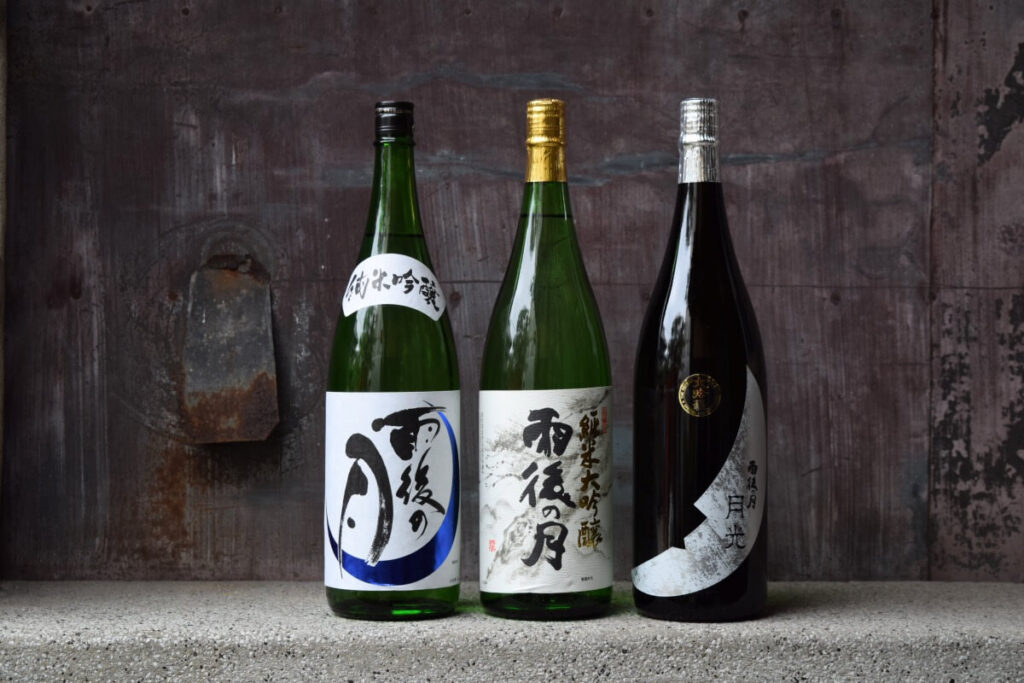
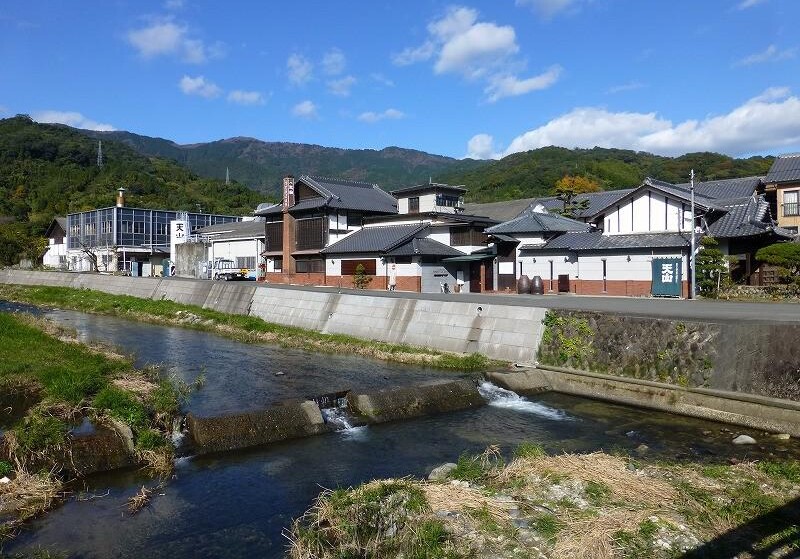
NIIZAWA SAKE BREWERY CO.,LTD.
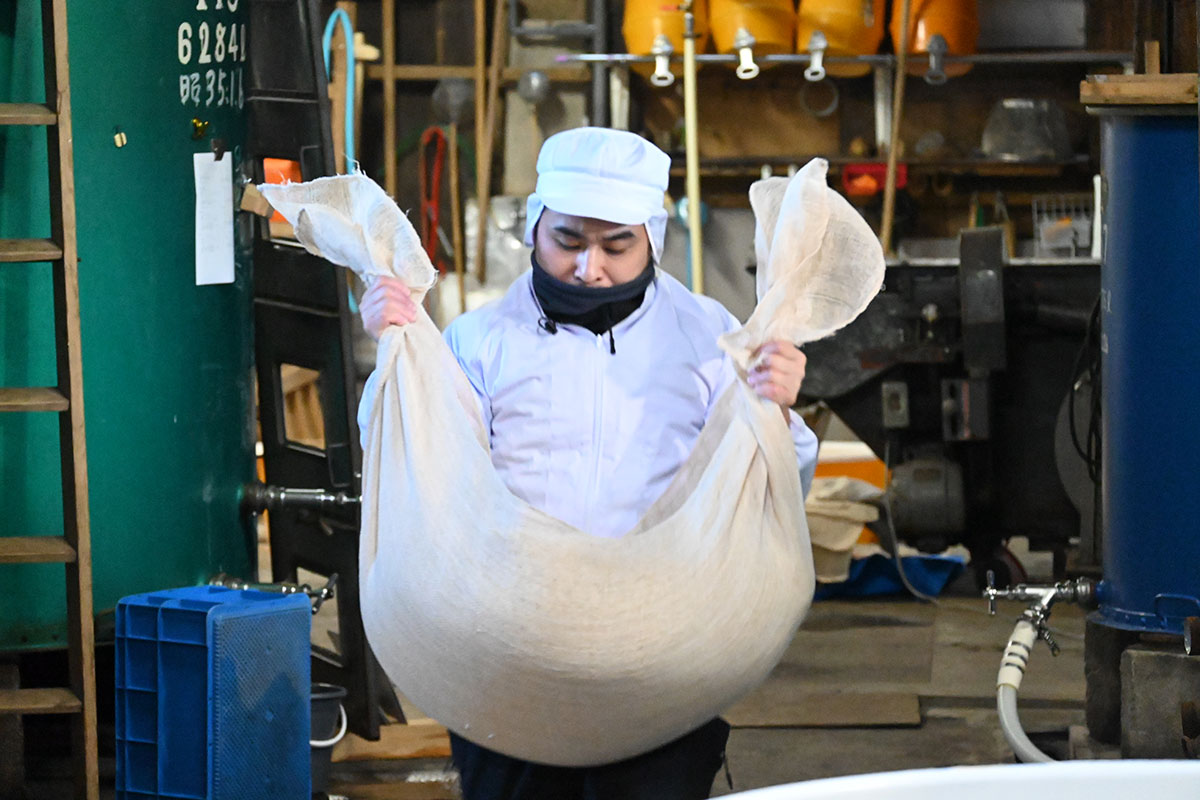
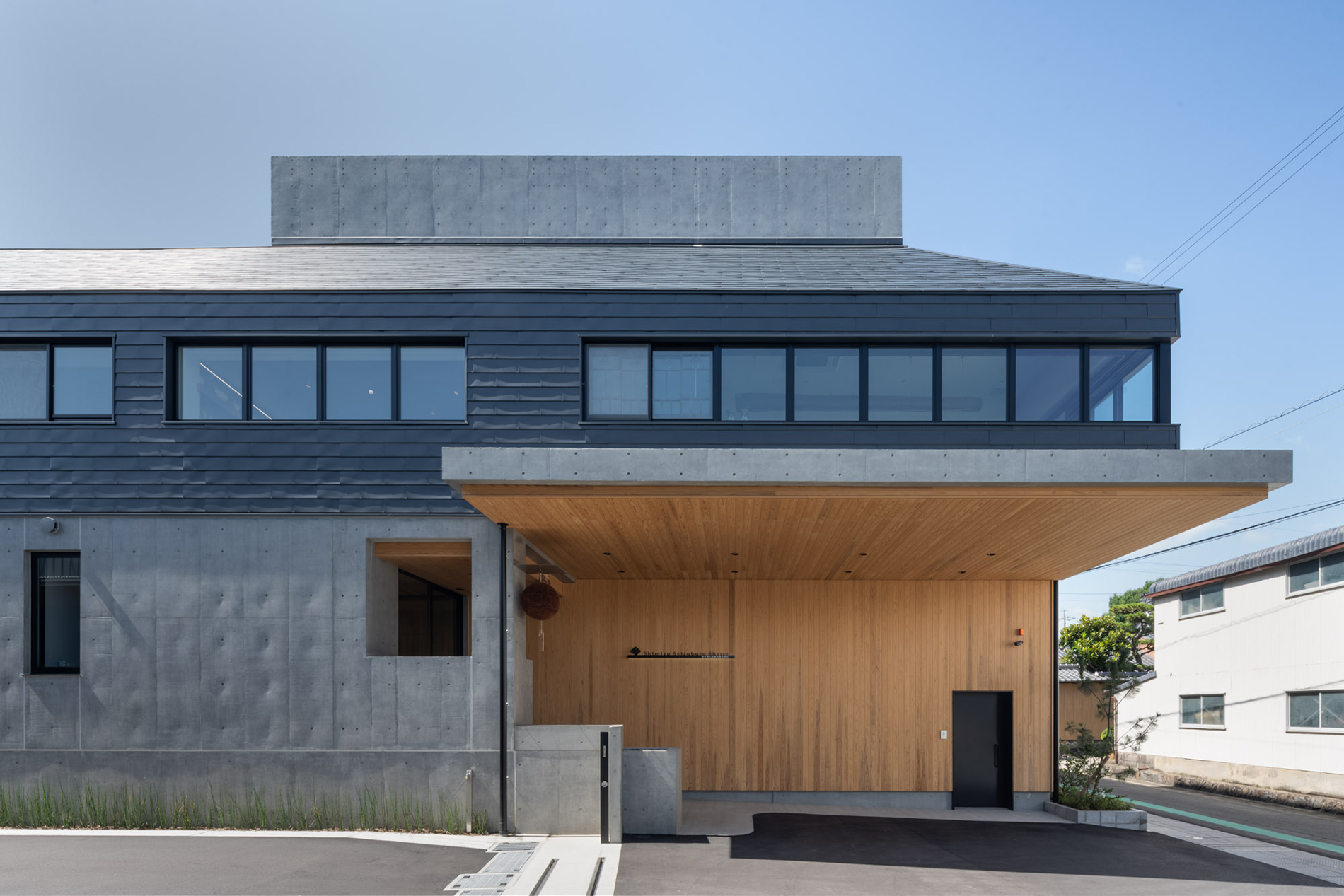
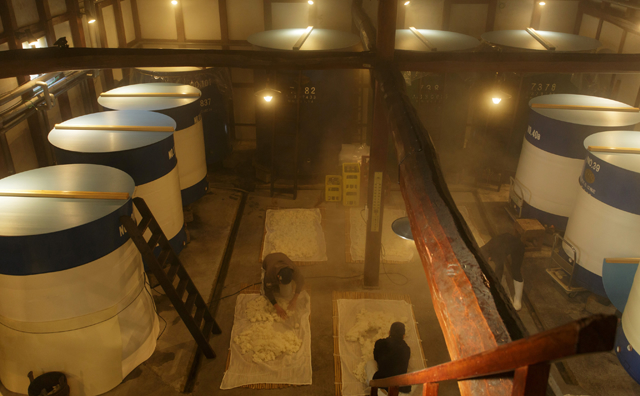
“Stands for innovation, precision, and a lived team culture. Since 2018, the brewery has been shaped by one of Japan’s youngest female Tōji master brewers, who emphasizes collaboration over hierarchy. Niizawa is a global leader with an extremely high rice polishing ratio of just 0.85% using modern flat polishing techniques, preserving purity and delicate umami notes. Continuous sensory training, uncompromising quality control, and storage of all sake at –5 °C ensure freshness, elegance, and ongoing development.”
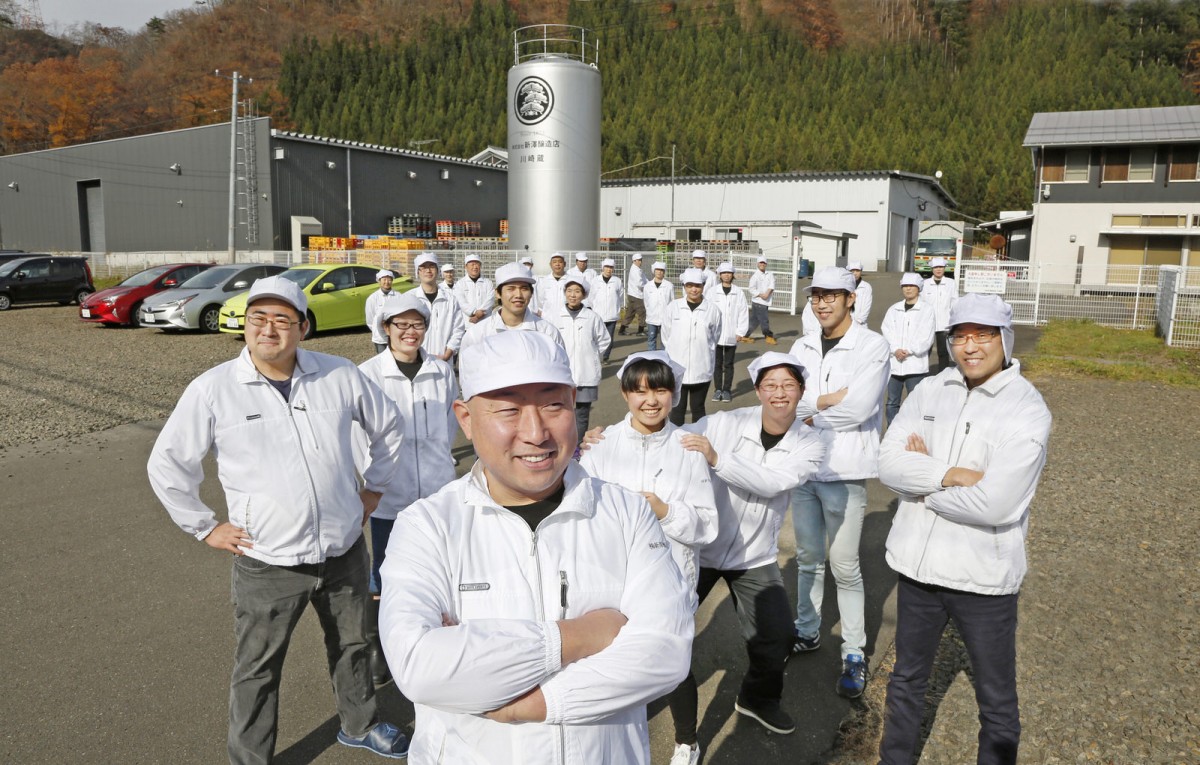

Hagino Shuzo Co., Ltd.
“Stands for artisanal Junmai sake with character, origin, and soul. Nestled among the mountains and rice fields of Miyagi Prefecture, the family-run brewery crafts sake from carefully selected rice varieties (including Kuranohana, Miyama Nishiki, Omachi, and Yamada Nishiki) and soft spring water sourced from its own land. The goal is not a pleasing average, but an honest, memorable sake that the brewers themselves enjoy drinking. Traditional craftsmanship, small batches, careful maturation, and a deep understanding of the entire ‘life journey’ of sake—from brewing to enjoyment—define its style: relaxed, high-quality, and as suitable for everyday life as a good T-shirt.”
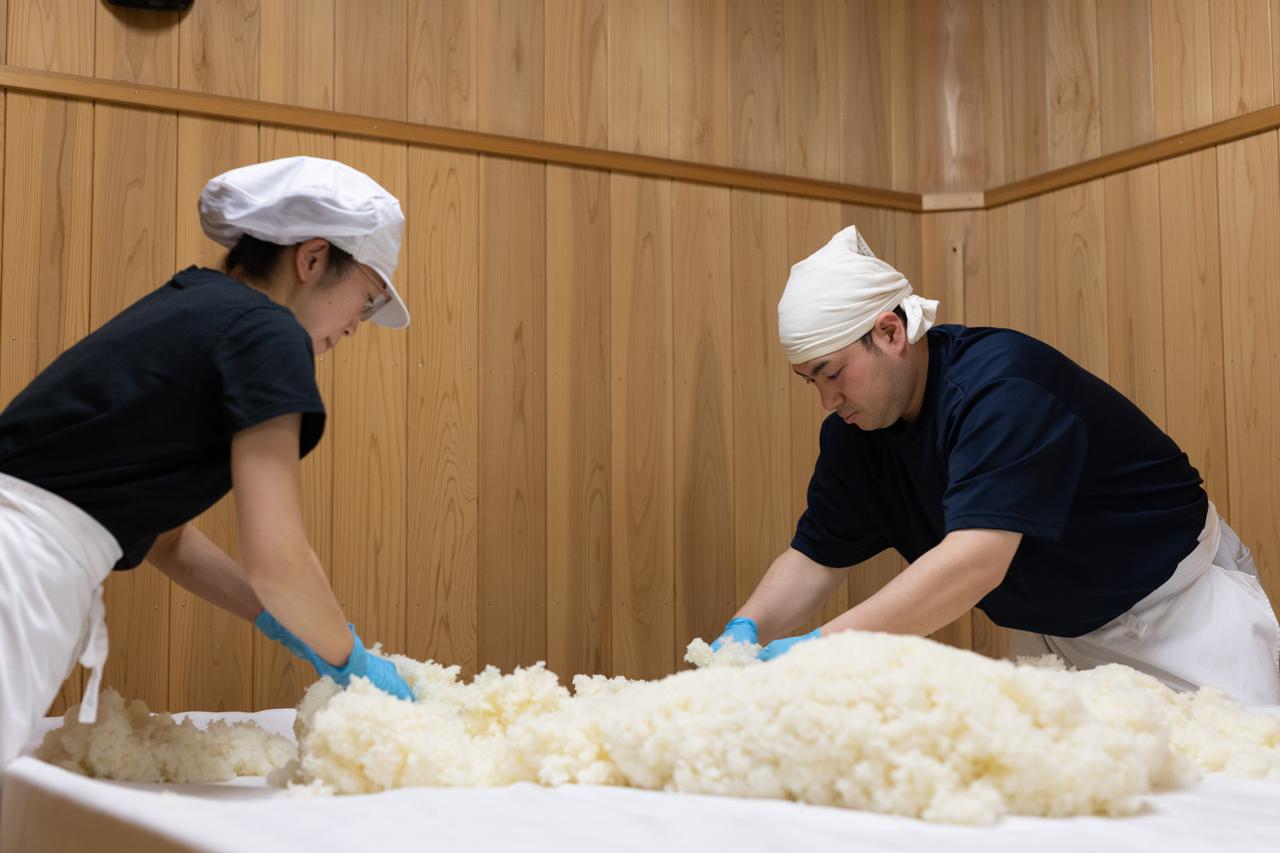
Katsuyama Supreme SAKE Co., Ltd.
Katsuyama Supreme SAKE Co., Ltd. was founded in 1688 as the official brewery of the Date clan of Sendai and remains the only surviving brewery preserving this samurai lineage. Katsuyama stands for pure Junmai sake, traditionally and deliberately brewed only once a week. The philosophy of “Samurai Style” is based on line, clarity, and etiquette: a balanced, umami-driven sake with broth-like depth that accompanies food rather than dominating it. At the foot of Mount Izumigatake, sake of great calm, structure, and dignity is created—crafted for mindful enjoyment and a refined dining culture.
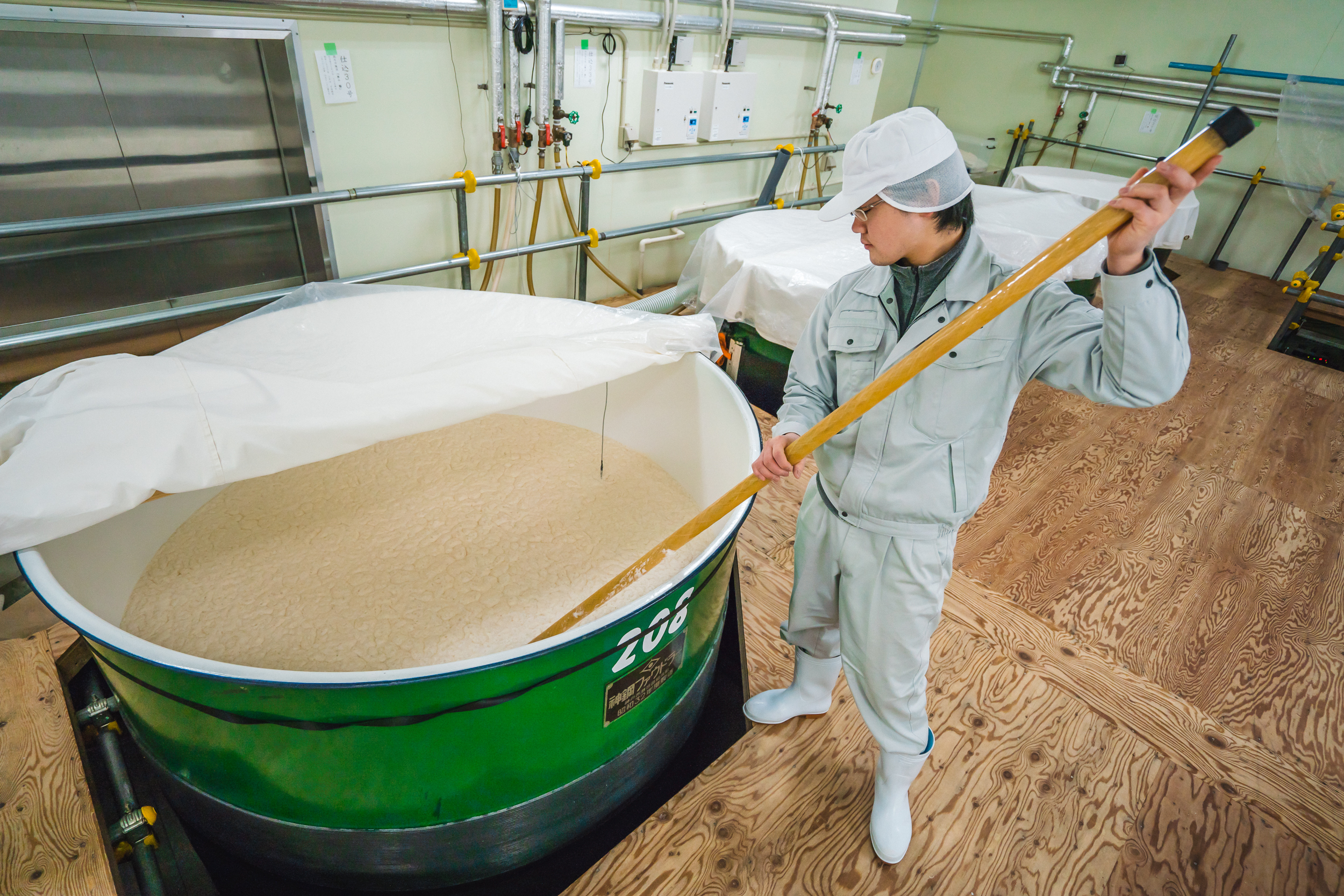
NANBU BIJIN Co., Ltd.
NANBU BIJIN Co., Ltd. was founded in 1902 in Ninohe, Iwate Prefecture, and is deeply rooted in the region’s brewing tradition. Evolving from techniques originally used in soy sauce production, the brewery developed into a renowned sake producer, shaped by its collaboration with the legendary Nanbu Tōji—one of Japan’s most prestigious guilds of master brewers. The name Nanbu Bijin combines a sense of origin with elegance of taste. Today, this family-run brewery stands for high-quality premium sake, international presence, a spirit of innovation, and the fusion of tradition, modern technology, and regional ingredients.

TATENOKAWA, Inc.
TATENOKAWA, Inc. looks back on more than 180 years of history. Its origins date back to 1832 in the Shōnai region, where the exceptional water quality is perfectly suited for sake production. In 1854, Heishiro began brewing, and in 1855 the sake was given the name TATENOKAWA (“Castle Brook”) by the daimyō Sakai Tadakatsu. Today, the company pursues a clear long-term vision: uncompromising quality, continuous development, and the goal of becoming a world-leading sake brand that represents Japanese food culture, craftsmanship, and “Made in Japan” on an international level.
.
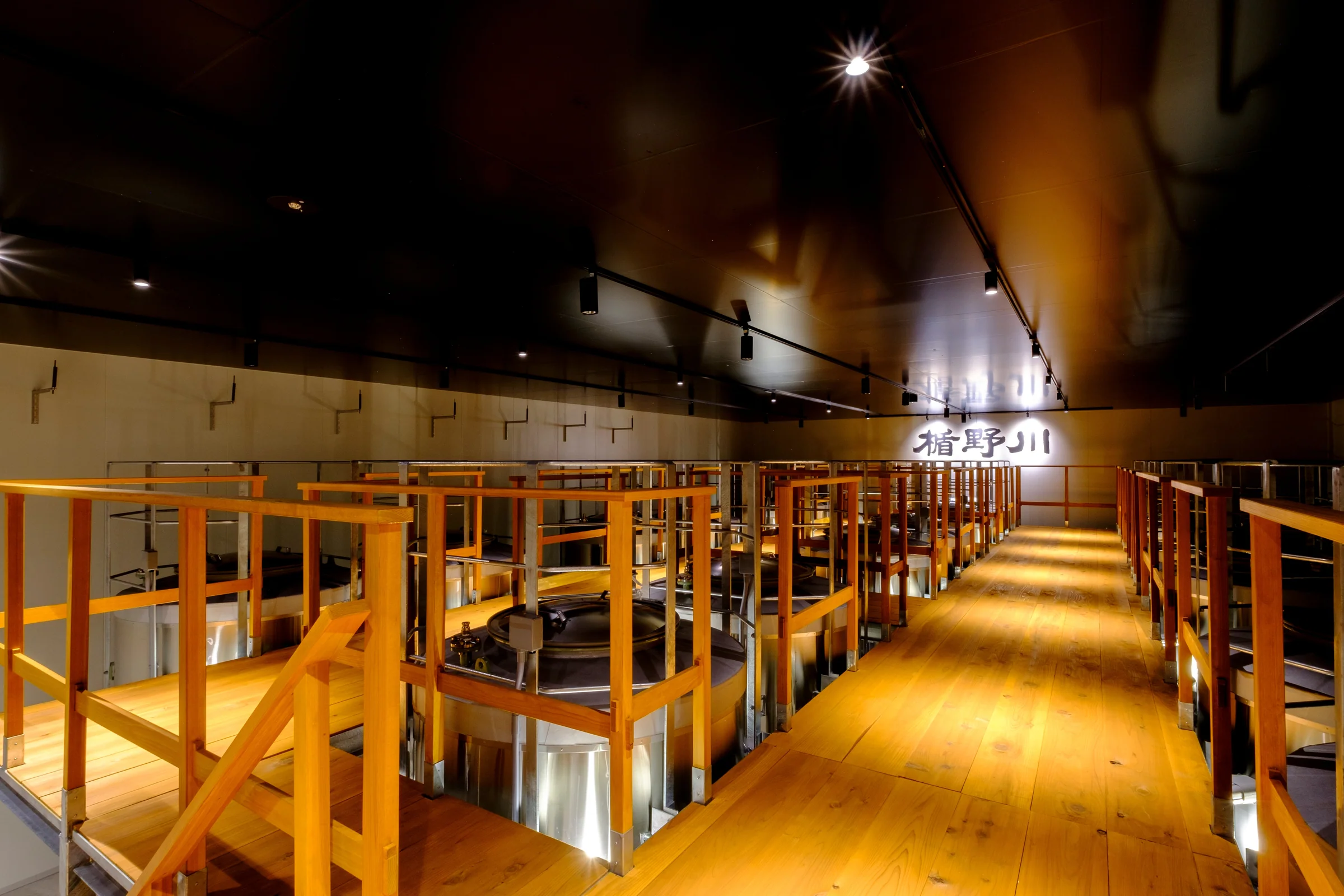
KOBAYASHI SYUZO CO.,LTD
KOBAYASHI SHUZŌ CO., LTD. was founded in 1872 (Meiji era 5) in Oyama, Tochigi Prefecture, and is the home of the brand Houou Biden. Surrounded by vast rice fields and supplied with pure groundwater from the Nikkō mountains, high-quality Ginjo sake has been produced here for over 150 years. The brewery combines tradition, sensitivity, and craftsmanship with ideal natural conditions. Carefully selected sake rice from Tochigi and renowned growing regions across Japan is used, along with soft, low-mineral water—the foundation for elegant and profound sake with a clear expression of terroir.
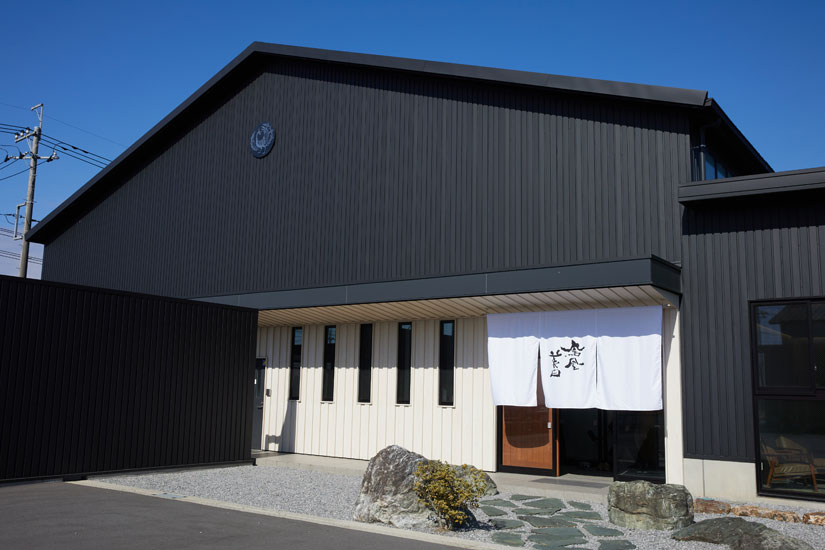
Tonoike Shuzouten Co., Ltd.
Tonoike Shuzouten Co., Ltd. is the traditional brewery behind the brand SANRAN Sake and is deeply rooted in the culture of Mashiko (Tochigi Prefecture). Its origins date back to rice merchants of the 16th century, while the present brewery was established in 1937. SANRAN stands for artisanal precision, local ingredients, and award-winning quality: master brewer Makoto Ono holds both the Nanbu and Shimotsuke Tōji titles, and SANRAN has won multiple gold awards at national competitions. Soft spring water from the Nikkō mountains, locally grown sake rice, and handcrafted koji shape its gentle and elegant style.

NOGUCHI NAOHIKO SAKE INSTITUTE Inc.
NOGUCHI NAOHIKO SAKE INSTITUTE Inc. is located in the mountain village of Kanagaso in Komatsu (Ishikawa Prefecture), surrounded by pristine nature. Brewing is carried out using pure spring water from the sacred Hakusan mountain range, under the protection of the Kannon goddess—a symbol of water. The institute preserves the life’s work of Naohiko Noguchi, the legendary “God of Sake Brewing,” a master of the Noto Tōji tradition and a pioneer of the Yamahai method. Together with carefully selected young brewers, the institute combines over 70 years of experience with modern technology—creating profound, age-worthy sake with great expressive depth.
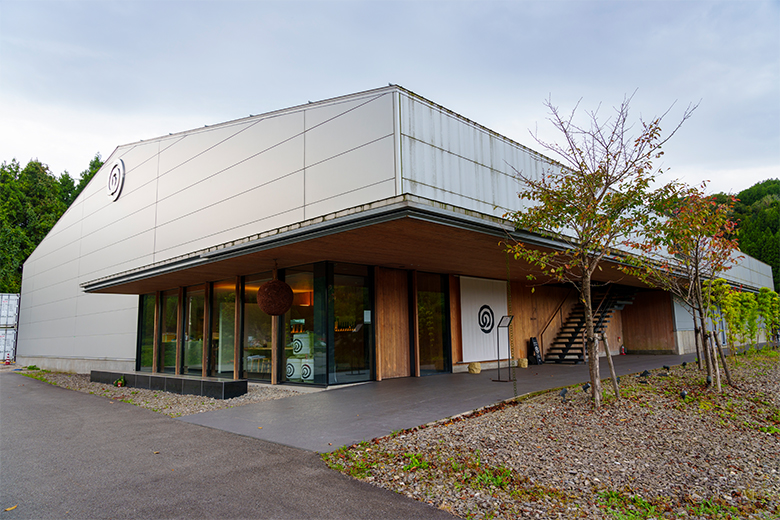
Tomono Shuzo Co., Ltd.
Tomono Shuzo Co., Ltd. was founded in 1901 in Saku (Nagano Prefecture) and represents a sensitive, locally rooted philosophy of sake brewing. Production relies exclusively on spring and groundwater from the Yatsugatake mountain range, as well as regional sake rice varieties such as Hitogokochi and Miyama Nishiki. The brand Sawanohana stands for calming, balanced sake, while Beau Michelle represents a lively, expressive style. Tomono Shuzō combines modern technology with time-intensive craftsmanship and follows a stoic, precise, and delicate brewing approach, in which every stage—from rice washing to cold storage—is carefully monitored.

Toshimaya Co., Ltd.
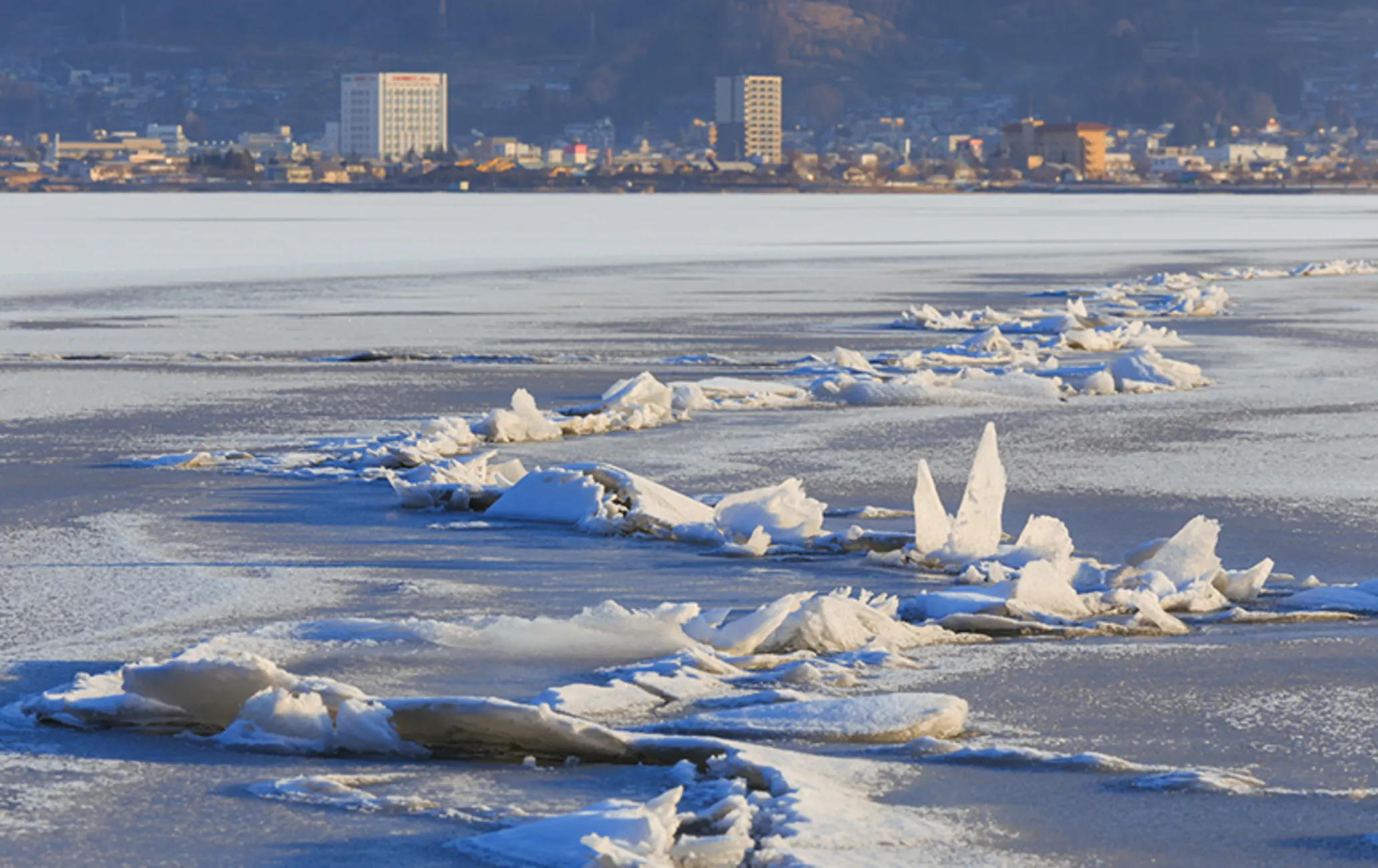
Toshimaya Co., Ltd. is a traditional sake brewery from Okaya City on Lake Suwa in Nagano Prefecture. Its best-known brand, “Miwatari,” is inspired by the mystical natural phenomenon Omiwatari—the winter ice ridges on Lake Suwa, which are associated with the deity of the Suwa Taisha Shrine. Brewing takes place in the cold climate of the Shinshu region using exclusively locally grown rice from Nagano and pure mountain groundwater. Under the guidance of a Suwa Tōji master brewer, a finely balanced, nature-driven sake is created, combining tradition, terroir, and craftsmanship.
BANJO JOZO Co., Ltd.
BANJO JOZO Co., Ltd. was founded in 1647 and has been run under the name Kuheiji for generations—today in its 15th generation. The brewery stands for continuous innovation and the ambition to reposition Japanese sake in the 21st century. Under Kuheiji Kuno, the line Kamoshibito Kuheiji was created, gaining international recognition and establishing itself in fine dining. A central focus lies on rice as an expression of terroir: with their own rice cultivation (including in Kurodasho in Hyogo Prefecture and in Akaiwa in Okayama Prefecture), as well as projects in France that led to Domaine Kuheiji (wine) and Born in Camargue (French rice sake). Tradition, craftsmanship, and origin remain at the core.

Kankoubai Shuzo Co., Ltd.
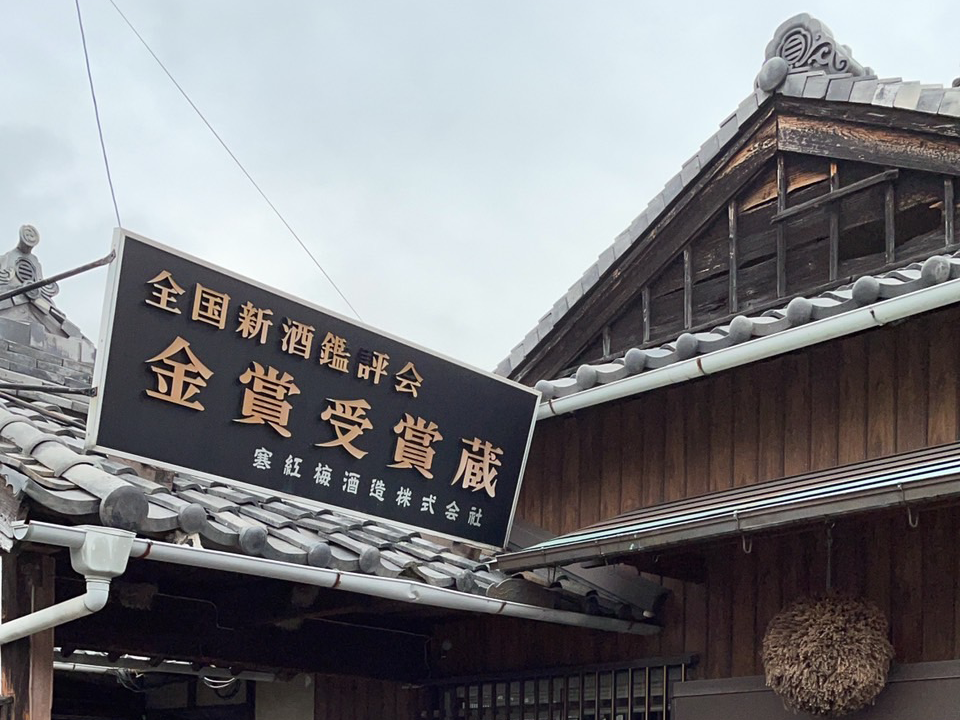
Kankoubai Shuzo Co., Ltd. is a traditional sake brewery from the city of Tsu in Mie Prefecture, with roots dating back to the Edo period. The name “Kankoubai”—winter plum blossoms—represents a style that combines strength with refined elegance. Brewing is carried out using soft spring water from the Suzuka mountains and carefully selected sake rice varieties such as Yamada Nishiki, Gohyakumangoku, and Mie. The sake are characterized by fruity aromas, gentle sweetness, and clear freshness, and have received multiple national awards..
Moriki Sake Brewery Co., Ltd.
Moriki Sake Brewery Co., Ltd. (Moriki Shuzō) stands for an uncompromising Junmai philosophy and deep craftsmanship. Since 1988, the brewery has produced exclusively Junmai sake made only from rice, kōji, and water, without the addition of alcohol. With a deliberately small annual production (approx. 300 koku – about 45,000 kg of rice), much of the work is likely done by hand. Moriki relies on traditional tray kōji, gentle rice steaming, and natural Kimoto and Yamahai fermentation without added yeast. The goal is not aromatic sake, but a flavor-intensive, food-oriented sake that performs equally well chilled or warm. This is complemented by their own organic rice cultivation and the cult label “Rumiko no Sake.”