THE DELICATE SOUL OF SAKE
National beverages are as integral to a country as its flag, and they often carry traditions that span thousands of years. Sake (nihonshu), Japan’s rice wine, has been brewed for more than 2,000 years and has become one of the nation’s most important cultural treasures. Using nothing more than rice, selected strains of kōji mold, and water, Japan’s sake masters craft a uniquely pure expression of umami.
The key to outstanding quality lies in the careful choice of rice and kōji varieties required for fermentation, along with the decades of experience held by the brewers. The rice is polished to expose the starch at its core while removing the fats and proteins found in the outer layers—making specially cultivated, high-starch rice ideal. Sake brewing is based on a two-stage fermentation process involving kōji and yeast cultures, with the first stage defining the flavor. At leading breweries, only highly trained sake masters with at least ten years of apprenticeship may determine the exact type and amount of kōji to be used—an exceptionally delicate step.
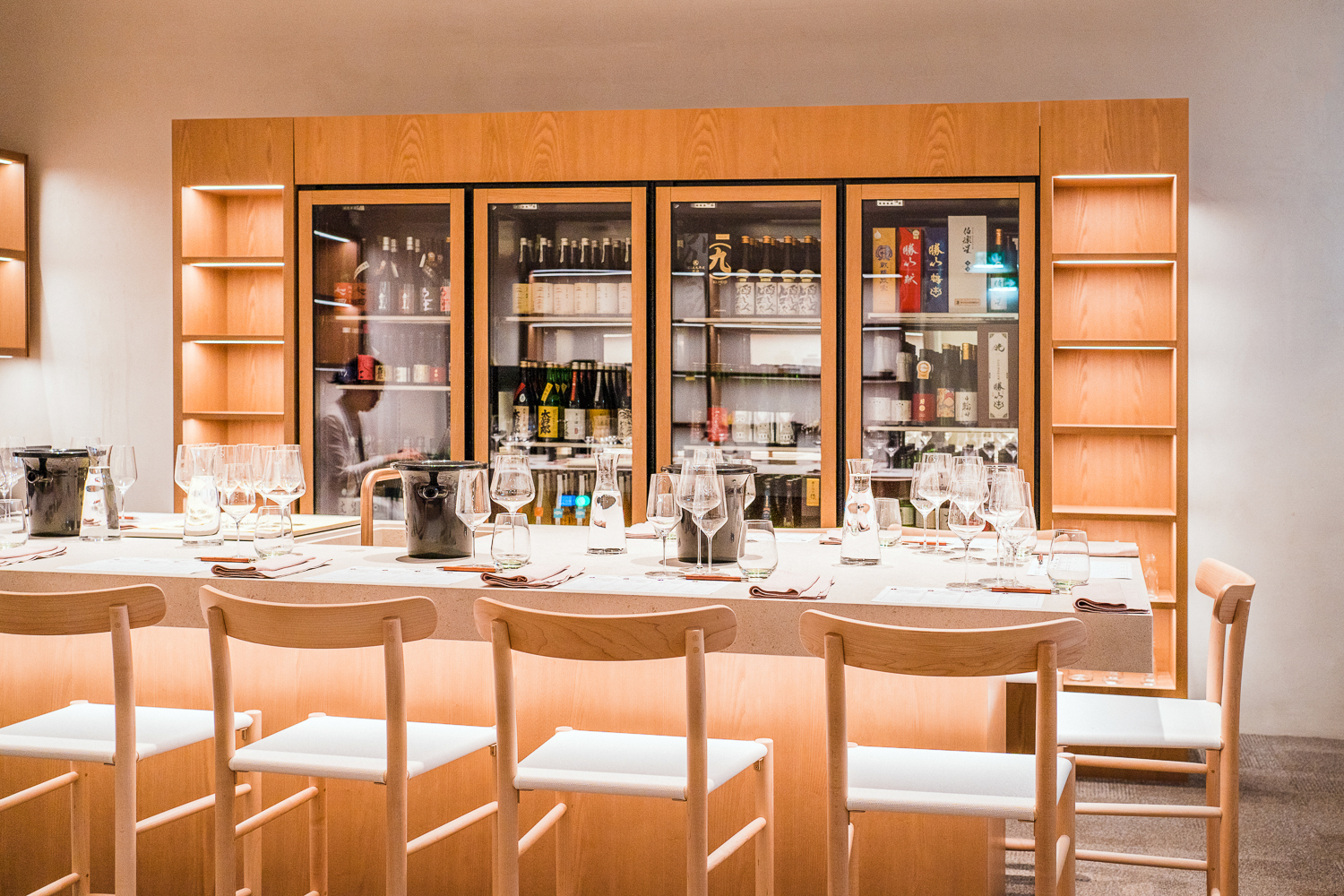
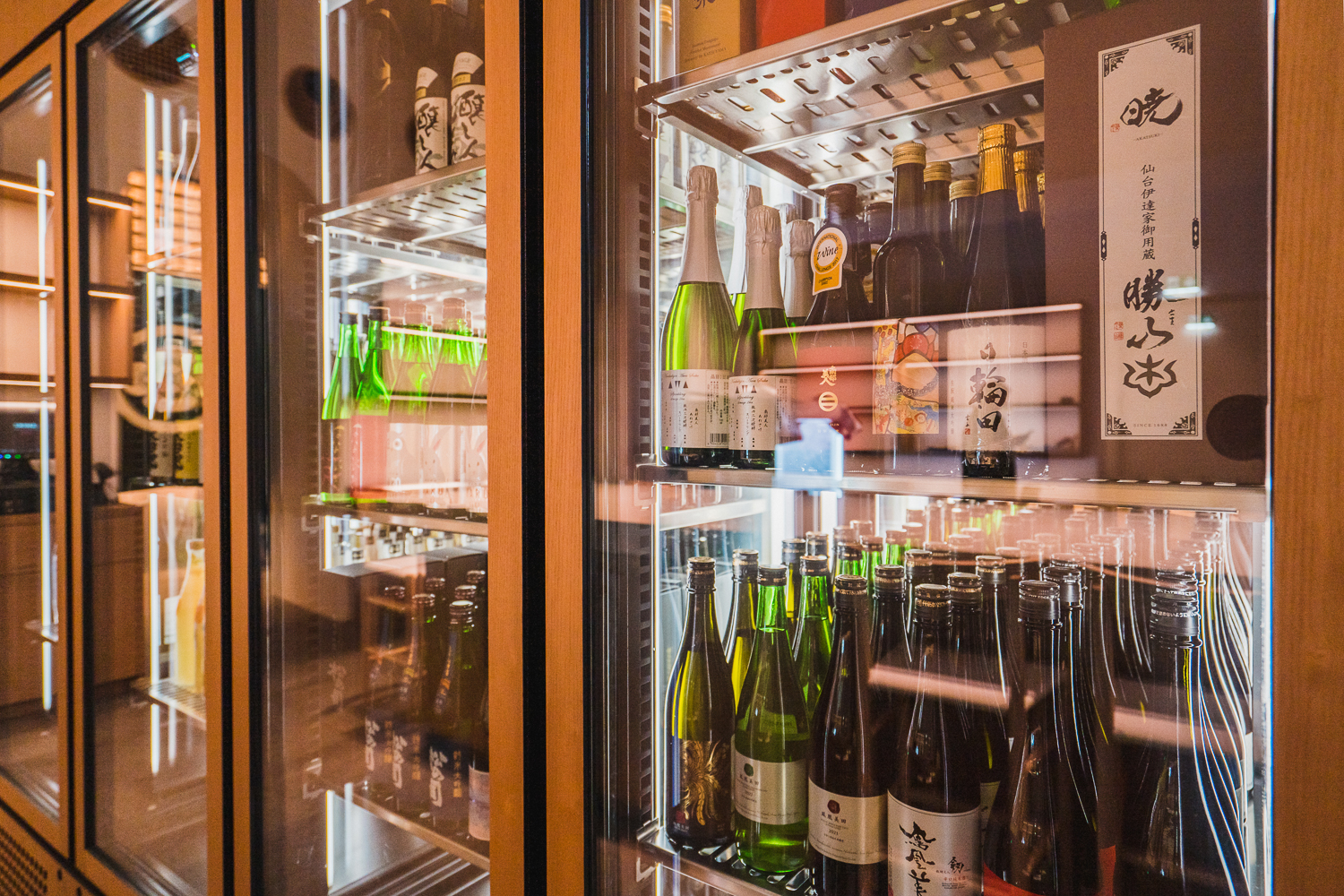
Sake remains a rarity in Europe’s fine-dining scene. Its long and demanding transport makes it so costly in the West that only a few restaurants offer premium sake. Bringing exceptional sake to European guests is a true challenge, as it is an extremely sensitive product that must be brewed, transported, stored, and served under ideal conditions. Importing these precious bottles is no easy task, as sake retains its excellent flavor only through constant chilled storage.
CATEGORIES OF PREMIUM SAKE
The more each grain of rice is polished—so that, for example, only half of its original weight remains—the finer and higher in quality the sake becomes. The polished-away portion is reused as rice flour. The polishing ratio indicates the percentage of the grain that remains after polishing.
JUNMAI DAIGINJŌ SAKE
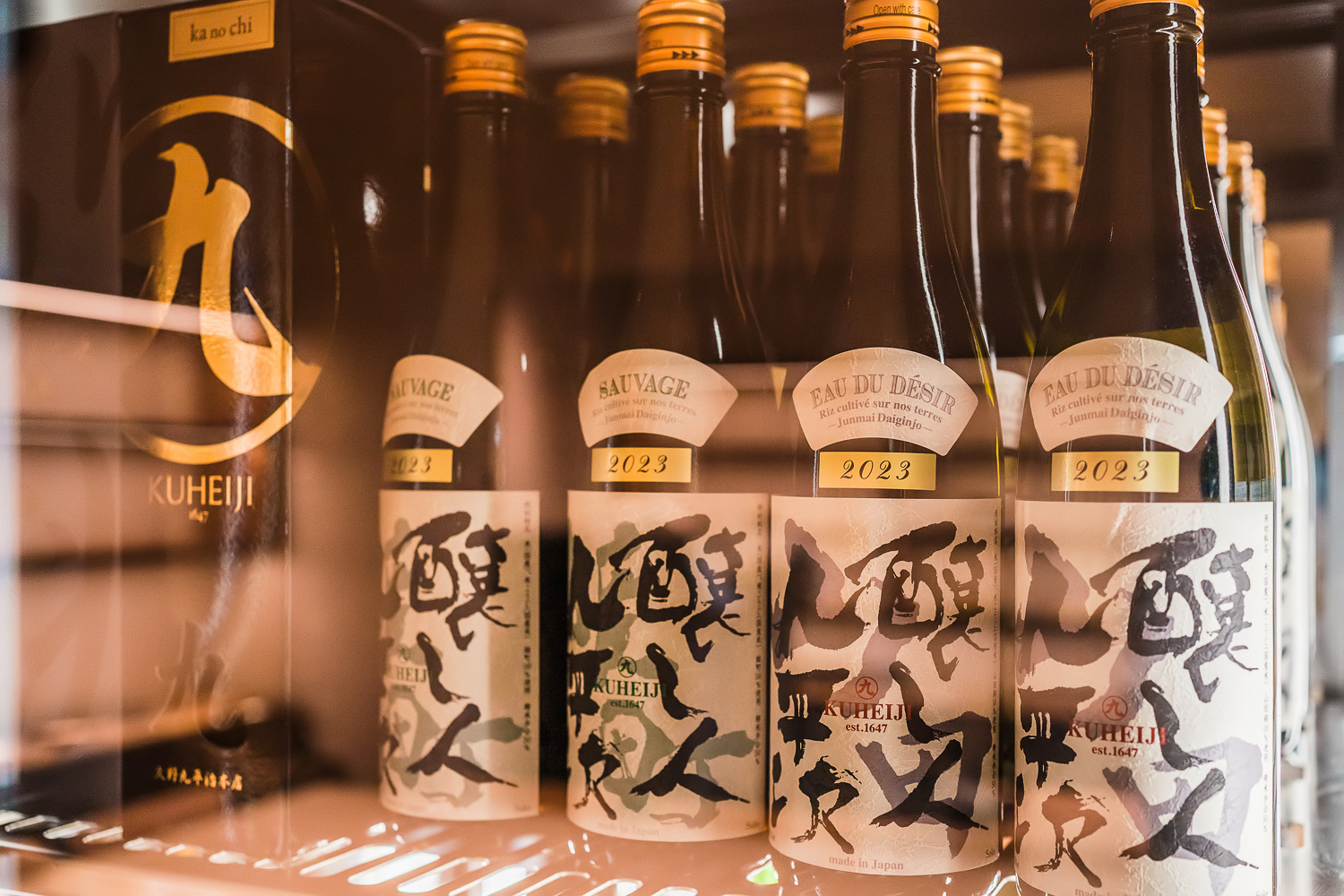
Junmai Daiginjō is an exceptionally high-quality premium sake with a polishing ratio of less than 50%. It is brewed exclusively with water and rice, with no added alcohol. Junmai Daiginjō features a remarkable harmony of aroma and flavor and is enjoyed only chilled.
DAIGINJŌ SAKE
Daiginjō is also an exceptionally high-quality premium sake with a polishing ratio of less than 50%. A small amount of brewing alcohol is added just before pressing to release additional aromatic compounds from the mash. Daiginjō is highly aromatic with a soft, elegant texture and is likewise served only chilled.
JUNMAI GINJŌ SAKE
Junmai Ginjō is a high-quality premium sake brewed exclusively from water and rice with no added alcohol. The polishing ratio is below 60%. Junmai Ginjō has a lightly fruity aroma and a rich, full-bodied flavor. It is almost always enjoyed chilled.
GINJŌ SAKE
Ginjō is a high-quality premium sake with a polishing ratio below 60%. A small, regulated amount of brewing alcohol may be added. Ginjō is fermented slowly at low temperatures, resulting in a fruity aroma and delicate flavor. It is typically served chilled.
JUNMAI SAKE
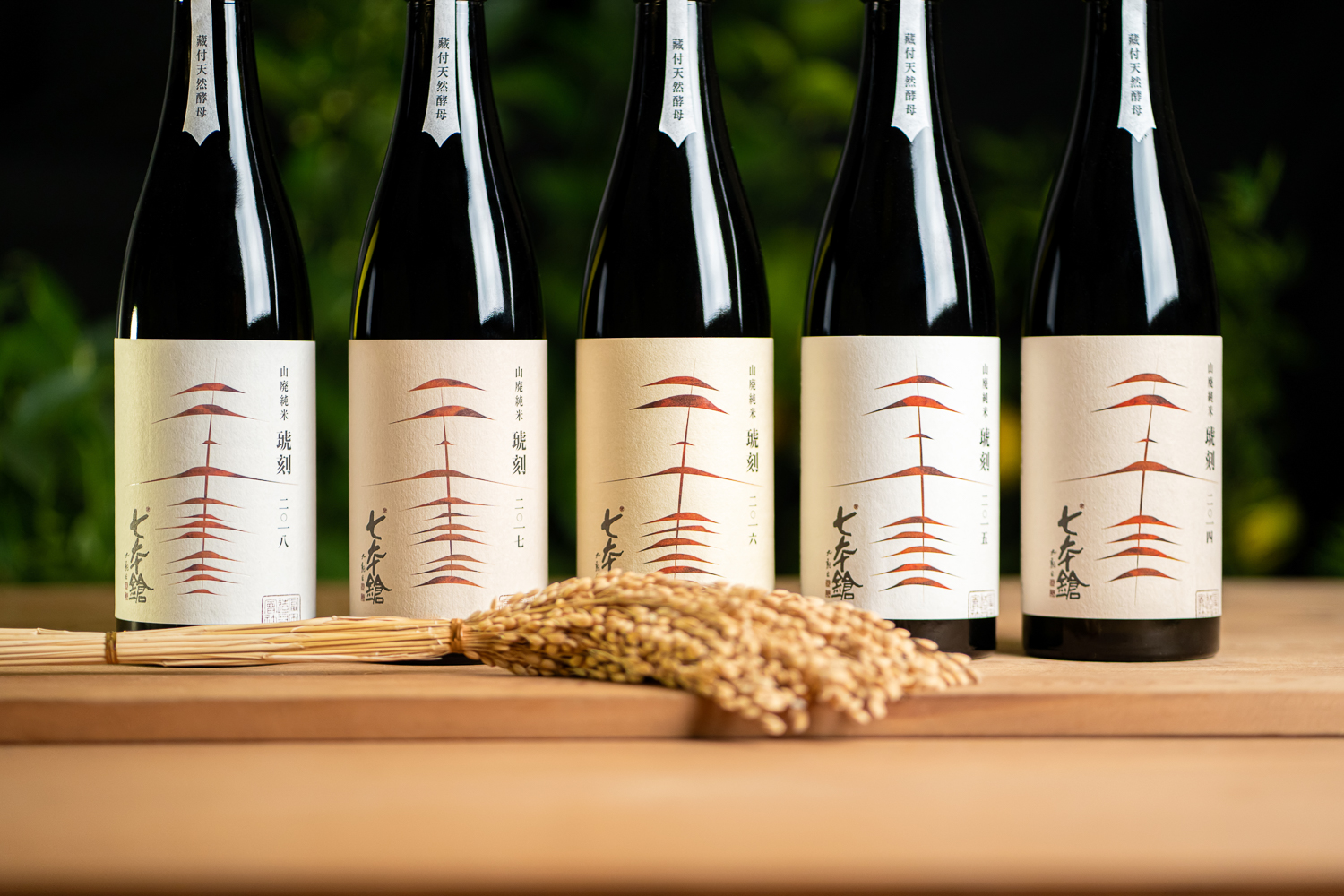
Junmai is a premium sake brewed exclusively from water and rice with no added brewing alcohol. It has a robust and full-bodied taste profile. Junmai is often produced from regional rice varieties and expresses the terroir. It is typically enjoyed both chilled and warm.
HONJŌZŌ SAKE
Honjōzō is a premium sake that allows the addition of brewing alcohol up to 10% of the rice weight. The polishing ratio is below 70%. Honjōzō can be enjoyed chilled or warm.